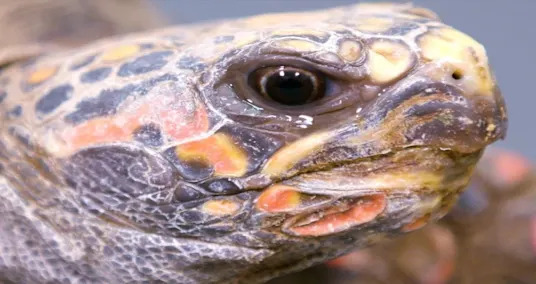
The radiated tortoise is one of the most striking reptiles on Earth, yet it is now facing a serious threat to its survival. Found only in the dry southern forests of Madagascar, this species has experienced a dramatic population decline over the past decade. Experts estimate that its numbers have dropped by nearly half, raising urgent concerns among conservationists. Known for its beautiful shell with bright yellow star patterns, the radiated tortoise is both visually unique and biologically remarkable. Its domed shell is not just protective but also sensitive, containing nerves and blood vessels that allow it to feel touch. These tortoises are also known for their exceptional longevity, with some individuals living well beyond a century. One recorded tortoise even reached an estimated age of 188 years, highlighting the species' long life cycle and slow reproduction rate. However, these same traits also make recovery from population loss extremely difficult, increasing the risk of extinction if current trends continue.
The primary drivers behind the decline of the radiated tortoise are human activities, particularly hunting and illegal trade. In parts of Madagascar, the tortoise is hunted for its meat, which is considered a delicacy despite legal protections. At the same time, its beautifully patterned shell has made it highly desirable in the illegal pet market. Conservation groups estimate that hundreds of thousands of these tortoises are removed from the wild each year, a rate that the population cannot sustain. The combination of poaching and trafficking has devastated natural populations and disrupted ecosystems where the species plays an important role. Without immediate intervention, experts warn that the radiated tortoise could face extinction within the next two decades. Conservation efforts are underway, focusing on habitat protection, stricter law enforcement, and raising awareness about the consequences of wildlife exploitation. The story of the radiated tortoise serves as a powerful reminder of how quickly human actions can threaten even the most resilient species. Protecting it will require global attention and long term commitment.
LATEST POSTS
- 1
 Unwinding the Starting points of America: An Excursion Through History
 - 2Anger as German family business group opens talks with far-right AfD
- 3Figure out How to Explore the Infotainment Framework in the Slam 1500.
- 4Figure out how to Consolidate a Brain science Certificate with Social Work
- 5Watch This Glacier Race into the Sea


- EU delegation urges China to tighten export controls
- Yemen’s Aden airport shut by STC-backed transport minister, Saudi source says
- Paraplegic engineer becomes the first wheelchair user to blast into space
- France will build a new aircraft carrier as it increases defense spending
- 5 Great and High Evaluated Scene Configuration Administrations For 2024
- Transform the daily grind to make life more interesting – a philosopher shares 3 strategies to help you attain the good life
- ‘RichTok’ Influencer Becca Bloom Shows Off Custom Invitations and ‘Most Valued Possession’ from Her Viral 2025 Wedding
- Hamas delegation meets Egypt’s spy chief amid mutual ceasefire violation claims
- Jamaica reports deadly leptospirosis outbreak after Hurricane Melissa